


As demand for sustainable packaging continues to rise, straw wrapping paper has gained attention as an eco-friendly alternative to conventional food packaging materials. Made from agricultural by-products rather than virgin wood pulp, it promises lower environmental impact—but one critical question remains: is straw wrapping paper food-safe?
To answer this properly, we need to look beyond marketing claims and examine material composition, chemical safety, food contact suitability, and best practices for selection. Drawing on industry standards and packaging experience, this article breaks it all down.
Composition of Straw Wrapping Paper
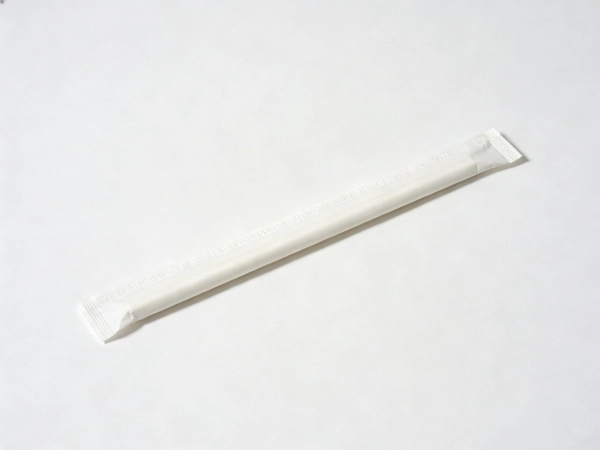
Straw wrapping paper is typically produced from wheat straw, rice straw, or other cereal crop residues left after harvest. Instead of being burned or discarded, these fibers are pulped and converted into paper, reducing waste and deforestation pressure.
From a structural standpoint, straw fibers are shorter and more brittle than wood fibers, which influences paper strength, porosity, and surface smoothness. To compensate, manufacturers may blend straw pulp with wood pulp or apply surface treatments.
Key factors that affect food safety at this stage include:
• Fiber source cleanliness (free from soil, pesticides, and mold)
• Pulping method (mechanical vs. chemical)
• Bleaching process (unbleached straw paper is generally safer and more sustainable)
• Surface coatings used to improve grease or moisture resistance
Pure, minimally processed straw paper without aggressive chemical treatments is inherently more suitable for food-related applications.
Chemicals and Additives
The main food-safety concern with straw wrapping paper is not the straw itself, but the additives introduced during manufacturing.
Common substances to evaluate include:
• Wet-strength agents (may contain resins unsuitable for food contact)
• Grease-resistant coatings, such as fluorinated compounds (PFAS), which are increasingly restricted
• Optical brightening agents (OBAs) used to enhance whiteness
• Adhesives and binders applied in laminated or composite structures
For food-safe straw wrapping paper, manufacturers should comply with regulations such as:
• FDA 21 CFR (US food contact materials)
• EU Framework Regulation (EC) No 1935/2004
• GB standards for food-contact paper (China)
Paper intended for direct food contact should be free from heavy metals, toxic solvents, and migrating substances. Certification and third-party testing are essential indicators of safety.
Is it Safe for Direct Contact with Edible Items?
Whether straw wrapping paper is safe for direct food contact depends on how it is used.
Generally:
• Safe for dry foods such as bread, bakery items, tea, snacks, and produce
• Conditionally safe for fatty foods if properly grease-proofed with food-grade coatings
• Not recommended for wet or liquid foods unless specially engineered
Straw paper’s natural porosity can allow oil or moisture migration, which may compromise hygiene or structural integrity. For this reason, many food brands use straw wrapping paper as:
• Inner wraps for baked goods
• Outer wraps combined with food-safe liners
• Decorative or secondary packaging
When engineered correctly, straw wrapping paper can meet the same food-contact safety requirements as traditional kraft or parchment paper.
Balancing Sustainability and Food Safety
One of straw wrapping paper’s biggest selling points is sustainability, but eco-friendly does not automatically mean food-safe.
The ideal balance is achieved when:
• Agricultural waste fibers replace virgin pulp
• Minimal chemical processing is used
• Compostable or biodegradable coatings are applied
• Food safety regulations are fully met
Compared with plastic packaging, straw paper offers:
• Lower carbon footprint
• Reduced reliance on fossil fuels
• Improved brand perception among eco-conscious consumers
However, cutting corners on safety for the sake of “green” labeling can backfire. Responsible manufacturers prioritize both environmental performance and regulatory compliance, ensuring that sustainability never compromises consumer health.


