


Cigarette rolling paper is more than just a thin sheet of paper—it’s a carefully engineered product designed to burn evenly, enhance flavor, and provide a smooth smoking experience. Drawing from years of experience in the tobacco and papermaking industry, I will guide you through the fascinating process of how rolling paper is made, step by step, so beginners can appreciate the craft behind every roll.
Ingredients in Cigarette Rolling Paper
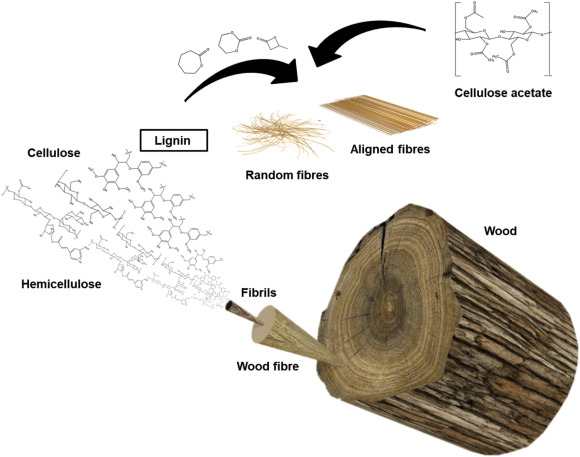
Rolling papers are primarily made from natural plant fibers, including flax, hemp, rice, and wood pulp. Each fiber type contributes unique characteristics to the final product. Flax and hemp are popular for their strength and slow-burning qualities, while rice paper creates ultra-thin sheets for a delicate smoking experience.
Binders, additives, and coatings are also crucial. Gum arabic is commonly applied along one edge to allow for easy rolling, and certain papers may include natural starch or calcium carbonate to control burn rate and reduce ash residue. Understanding the composition of rolling papers helps smokers choose the right type for taste, burn, and thickness preferences.
Probable Papermaking Process
The production of rolling paper begins with pulping the raw fibers. Fibers are soaked, beaten, and refined to create a uniform slurry. This slurry is then spread onto fine mesh screens where water drains away, leaving a thin layer of fiber mat.
Once the mat reaches the desired thickness, it is pressed and dried using heated rollers. This process determines the paper's smoothness and transparency, two key qualities that affect the smoking experience. Skilled operators carefully monitor moisture content and thickness to ensure consistency across each batch.
Special Treatments
After the paper is formed, additional treatments improve burn quality and flavor. Many rolling papers receive a light coating of natural gum or starch to promote even combustion. Some brands experiment with flavors or organic additives to enhance the taste, from neutral and classic to flavored varieties like vanilla or menthol.
Special chemical-free treatments are becoming more popular, especially in the hemp and organic paper market. These treatments ensure that smoke is clean, burn is predictable, and the user experience is optimized without introducing harmful residues.
Quality Control
Quality control is an essential part of rolling paper manufacturing. Every sheet is inspected for thickness, texture, and uniformity. Machines often measure the paper’s porosity to guarantee an even burn, while human inspectors check for tears, wrinkles, or imperfections.
Maintaining high-quality standards ensures that each pack of rolling papers meets consumer expectations. Even slight inconsistencies can affect the rolling experience or combustion behavior, making this stage critical for professional manufacturers.
Getting it Ready for Market
Once the papers pass quality control, they are cut to standard sizes and packaged. Packaging is more than just aesthetics—it protects delicate sheets from moisture, dust, and damage. Many premium brands use airtight foil or resealable packs to preserve freshness.
Branding plays a significant role in consumer perception. Logos, paper thickness, and unique features are highlighted on the packaging to appeal to different types of smokers, from casual users to enthusiasts. The final stage connects manufacturing precision with marketing and user satisfaction, completing the journey from fiber to finished product.


